
The 2026 Verizon Data Breach Investigations Report is not subtle. Attackers are getting in through unpatched systems, exposed third parties, weak identity controls, and the same messy handoffs that security teams have been struggling with for years.
Analyzing more than 31,000 real-world security incidents across 145 countries, Verizon’s theme is “keeping a strong foundation in the face of change.” Fair. But the data reads less like a reminder and more like a warning label. The basics still matter, and many organizations cannot execute them fast enough.
Exploitation of vulnerabilities is now the top initial access vector for breaches, rising to 31% of the entire DBIR dataset. Credential abuse, the previous leader, dropped to 13%.
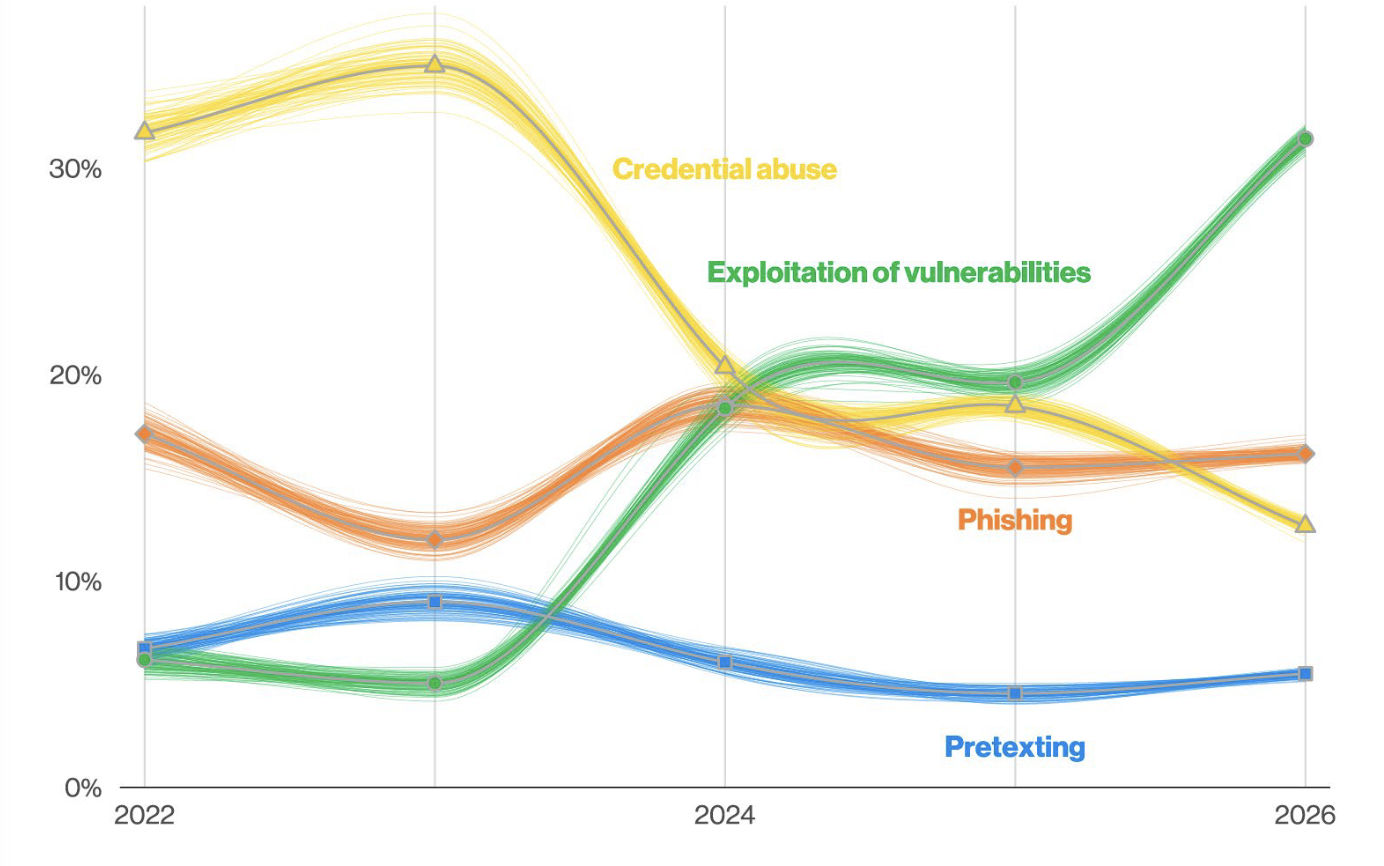
The security industry has spent years building scanners, tuning dashboards, tagging CVEs, assigning criticality, and developing patch workflows that look impressive in quarterly reviews. Yet the attacker’s favorite move is now ruthlessly simple: find the thing you already knew was broken and use it before anyone fixes it.
Discovery mostly works. The backlog is the ugly part:
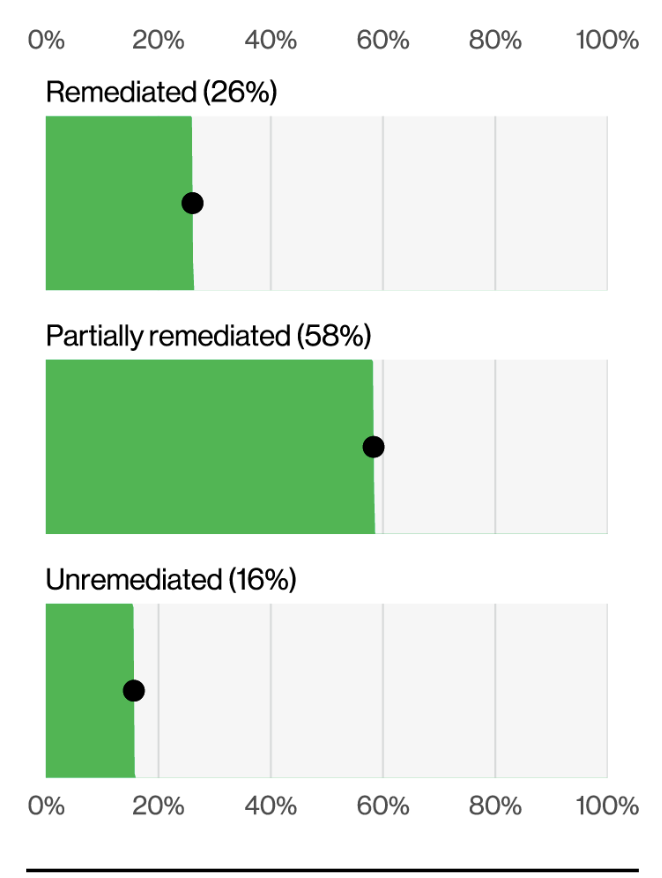
Only 26% of critical vulnerabilities in the CISA Known Exploited Vulnerabilities catalog were fully remediated by organizations in 2025, down from 38% the year before. Median time to full resolution rose to 43 days. Organizations also had roughly 50% more critical vulnerabilities to patch than in the previous year’s dataset.

So yes, the scanner found it. Great. Now what?
A long list of criticals does not help much when everything is critical. It just makes everyone slower.
One vulnerability sits on a forgotten dev box. Another sits on a system tied to revenue, customer data, privileged access, or a third-party integration nobody wants to touch because the owner left six months ago. Same severity. Completely different risk.
This is where the old model breaks. Security throws findings over the wall. IT asks who owns the system. The business asks whether patching will break something. Someone opens a ticket. Forty-three days later, the attacker has better project management skills than the company.
Tonic Security exists for this gap. The grimy one between “we found a risk” and “the right person fixed the thing that could actually hurt us.”
Tonic’s Unified Exposure Management platform connects vulnerabilities, alerts, assets, and exposures to business context so teams can see what matters, who owns it, and what will cut risk fastest. The point is not prettier vulnerability lists, but rather fewer blind handoffs and less time wasted fixing low-impact noise while the real breach path stays open.
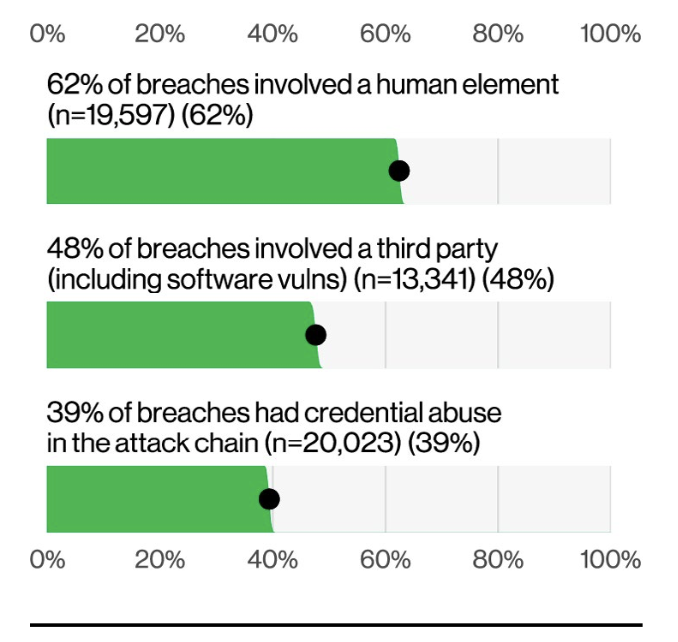
The DBIR also shows third-party involvement in breaches jumping 60% from last year’s dataset, reaching 48% of total breaches.
Modern companies are held together with SaaS platforms, cloud accounts, APIs, contractors, OAuth tokens, service accounts, software dependencies, and integrations with names nobody recognizes until incident response starts asking uncomfortable questions.
The DBIR lays out several third-party breach patterns: vendor software in your supply chain, vendors hosting your data, and vendors connected into your environment. Sometimes it is more than one at once.
Can they reach customer data? Can they touch production? Can their integration move laterally? Does anyone know which business process depends on them? Who’s the owner?
Context beats volume. Fixing 500 findings does not matter if the one remaining exposure can stop business operations on Monday morning.
The DBIR calls out generative AI use by threat actors across targeting, initial access, vulnerability research, malware development, and tooling. It also flags Shadow AI risk, including employees sending sensitive data to unauthorized AI systems.
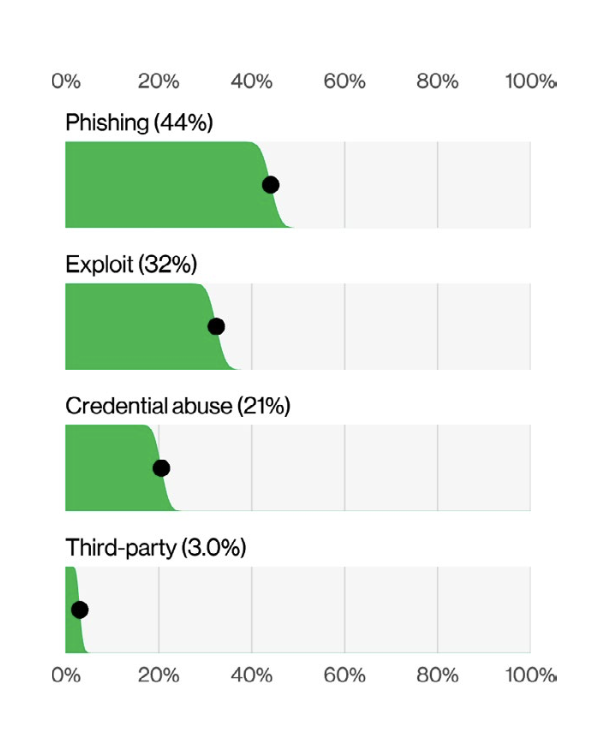
The immediate issue is not sci-fi malware. It is scale. More probing. Faster exploit development. Cleaner phishing. More convincing pretexts. More alerts dumped onto teams already buried.
You need systems that connect the dots faster than people can do manually. Tonic’s Agentic AI and Security Data Fabric are built around that premise: pull fragmented security and business data together, reason across it, and help teams move from alert pile to action.
The DBIR says attackers are winning through the cracks everyone already knows about: unpatched systems, third-party exposure, weak identity controls, slow remediation, and business context trapped in people’s heads.
The real fight is remediating the issue that matters before an attacker infiltrates.
The backlog is not just a workload problem. It is where breach paths hide. Tonic helps security teams bring those paths into view and close the ones that can actually hurt the business via agentic remediation.