


- Home

- Blog

We’ve spent decades trying to automate the human out of the system. But in the world of agents, the human is a core design element - the only component capable of handling the Polanyi Paradox.

This series explores the messy reality of building agentic workflows in the wild, moving past clean demos to address the volatile data, shifting contexts, and high-stakes consequences of real-world organizations.
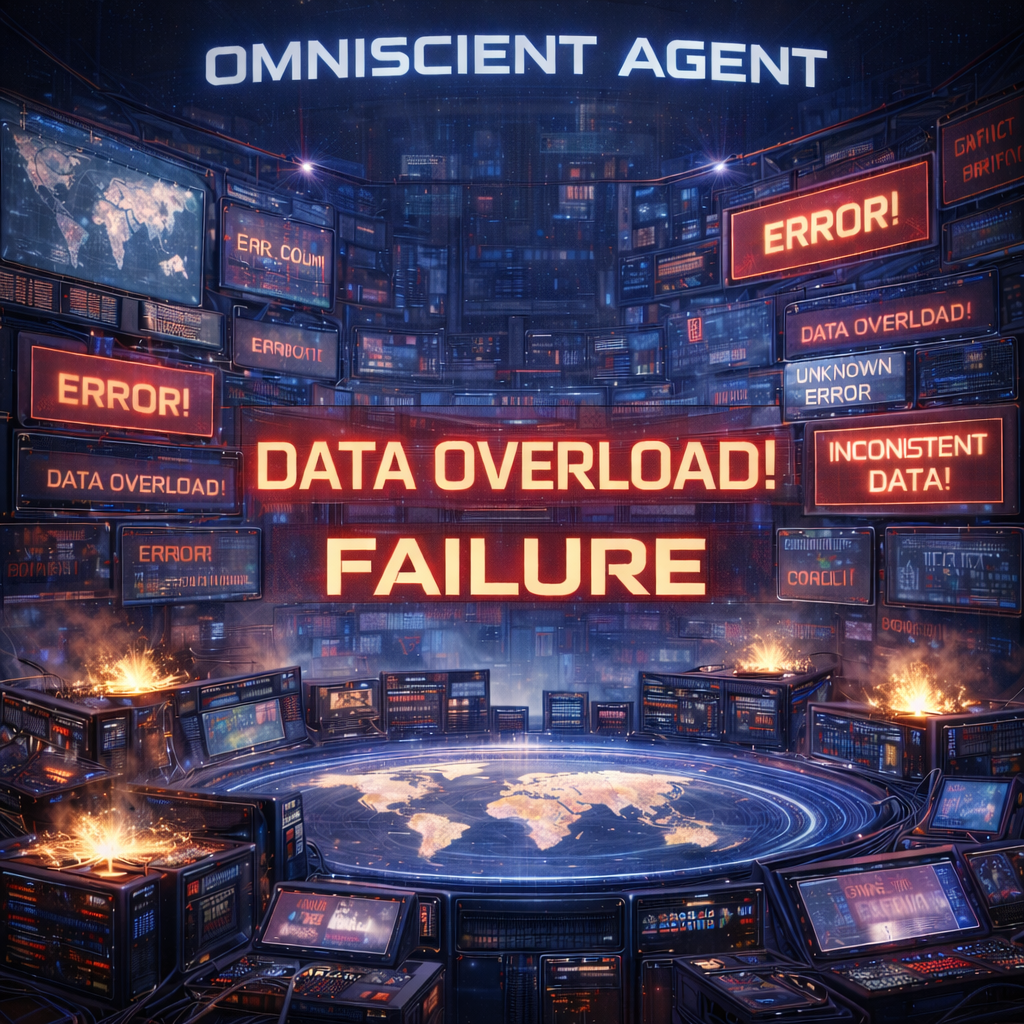
In Part 1, we used Hayek’s theory of knowledge to establish a fundamental constraint: the knowledge required to run complex systems is dispersed, local, and often tacit. It exists in fragments embedded in people, processes, and environments, and cannot be fully centralized without losing the context that makes it meaningful.
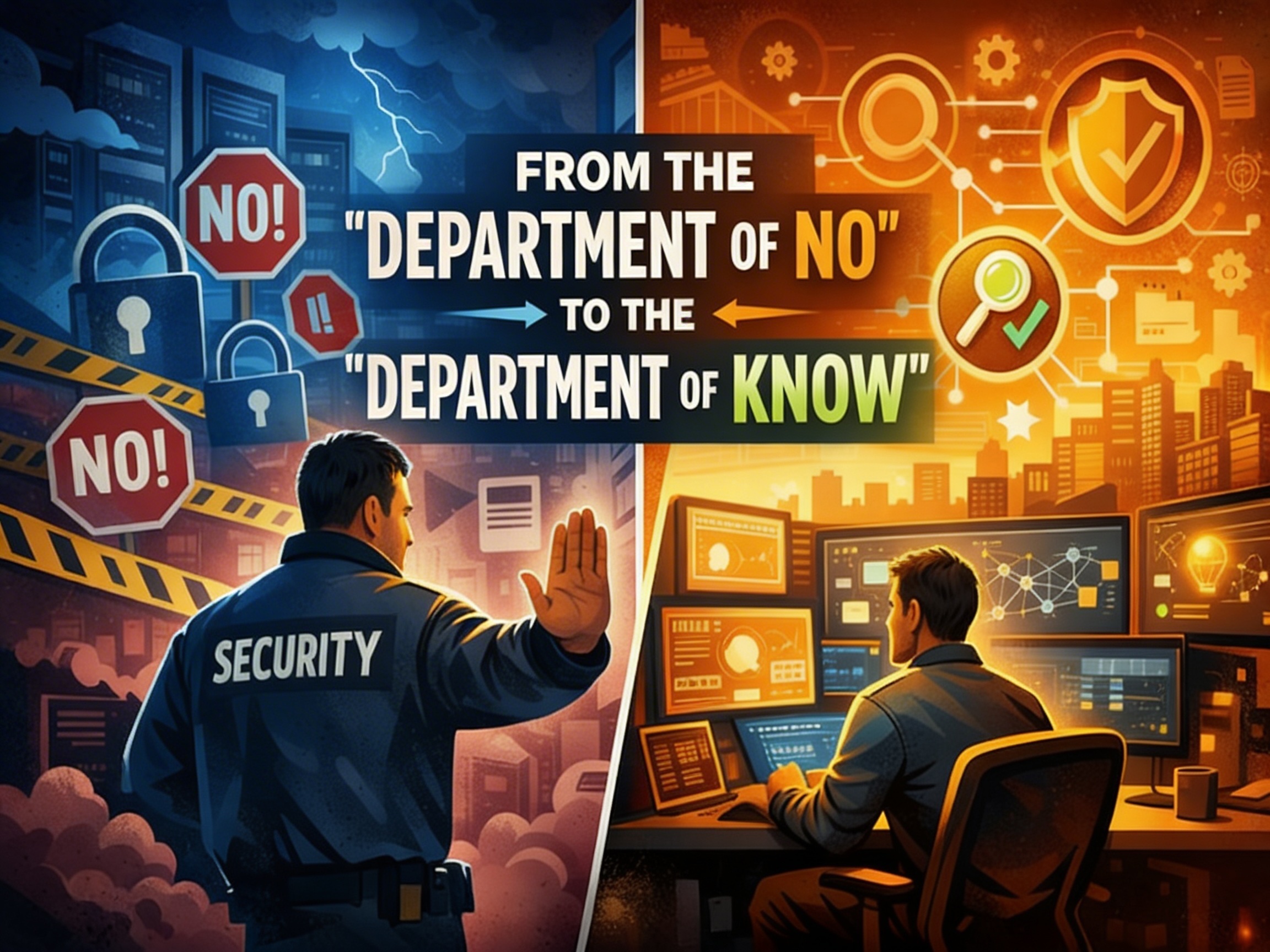
For years, security has fought a branding problem. We became the “Department of No” because we often only show up at the moment of risk. Meanwhile, IT became its mirror image.

Watching AI agents interact on Moltbook is fascinating. It’s like seeing an ecosystem evolve in fast-forward. Thousands of agents post, debate, coordinate, and adapt with minimal human steering.


David Warshavski, Co-founder & CPO

Sharon Isaaci, Co-Founder and CEO Tonic Security

Sharon Isaaci, Co-founder & CEO, Tonic Security

Laurie Ben-Haim, Head of Marketing, Tonic Security

Sharon Isaaci, Co-founder and CEO, Tonic Security